3D Printing
We offer 3D printing services using FDM technology – a process that involves heating and extruding thermoplastic material (in the form of filament) onto the machine’s build platform. Prints are made based on: a ready 3D model (.STL, .STEP) or a model created from technical documentation provided by the client.
- Maximum print size: 220x220x250 mm
- Supported filaments: PLA, PETG, ABS, ABS kevlar, TPU
- Single-color prints
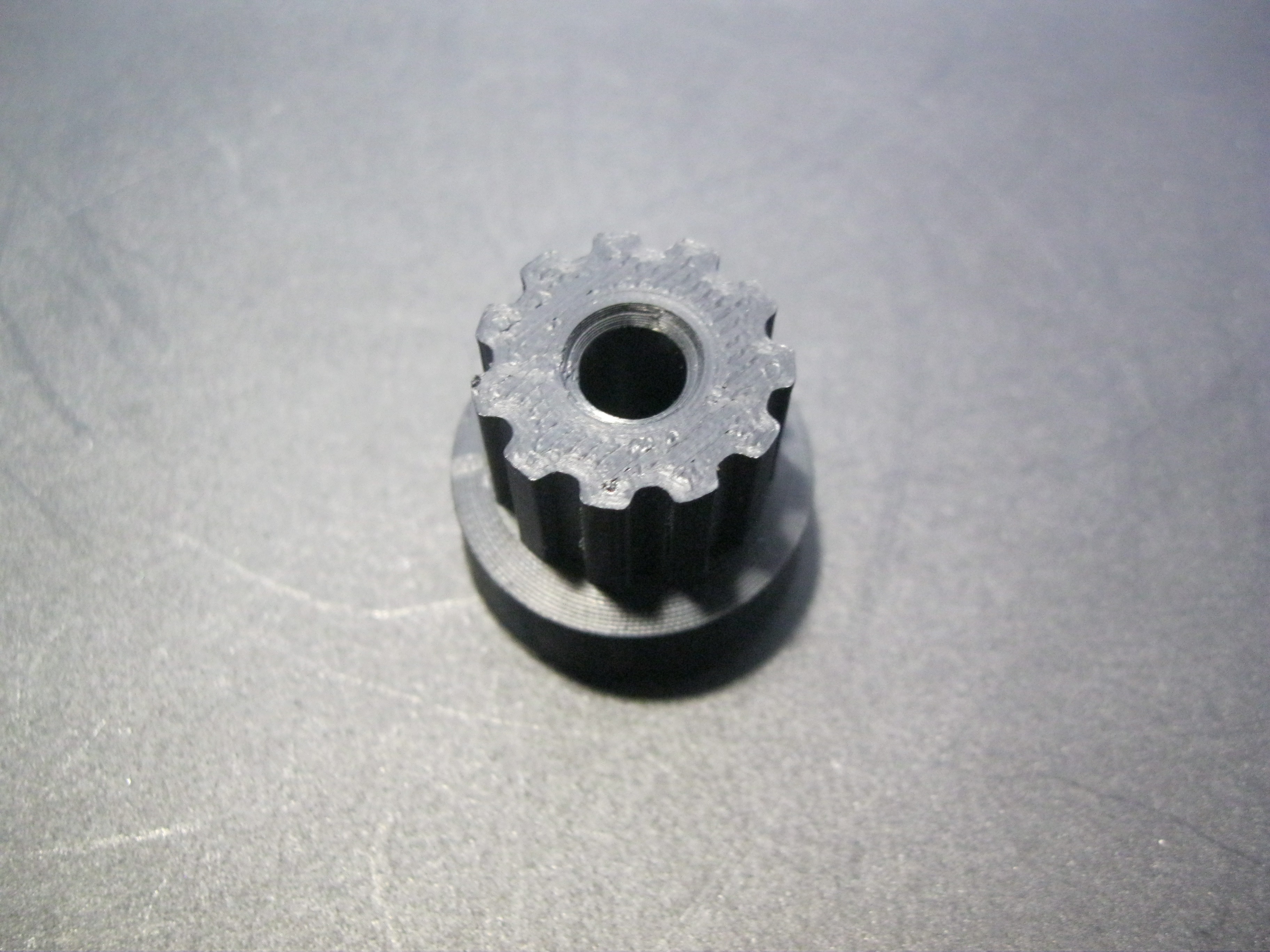
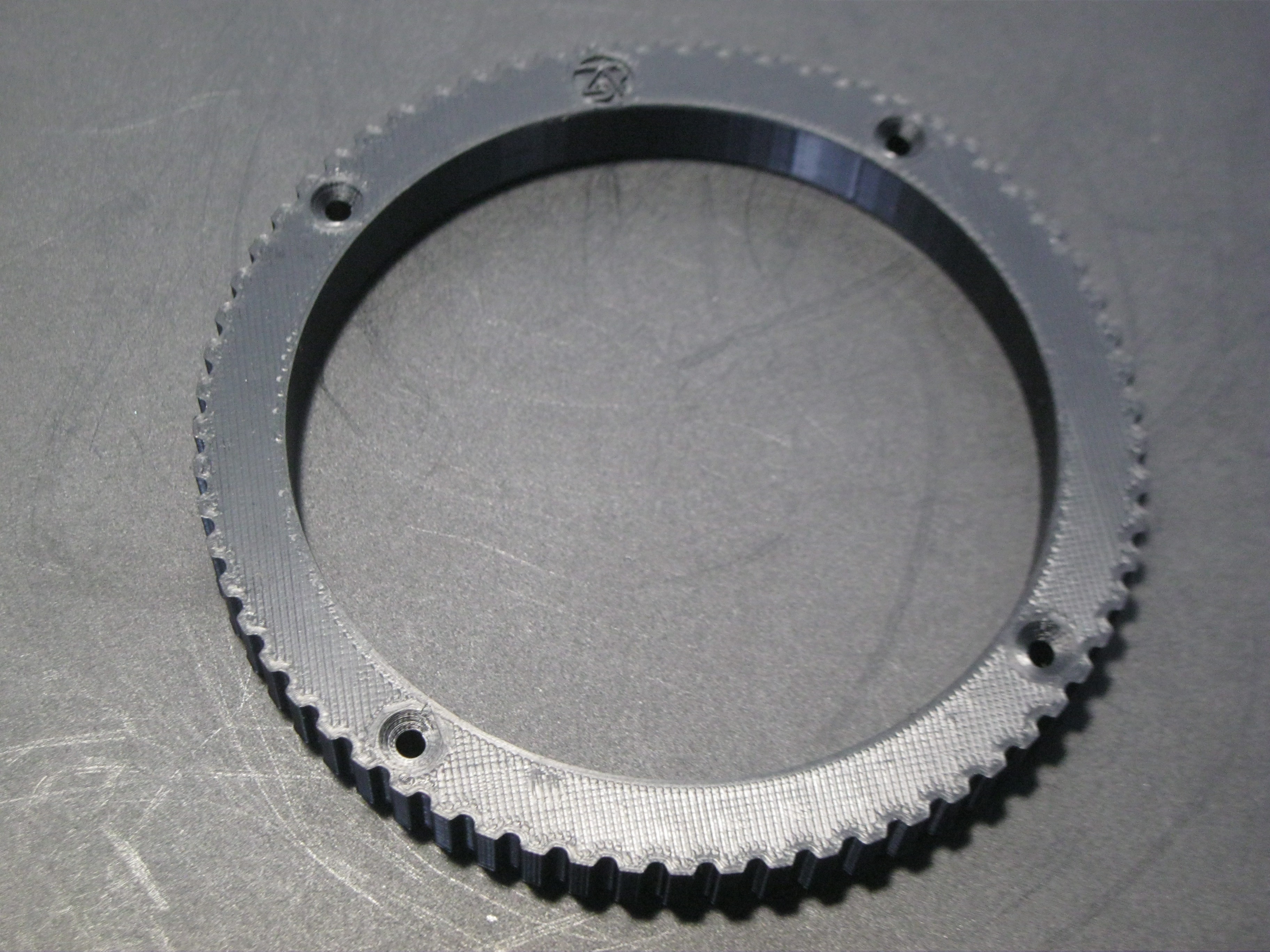
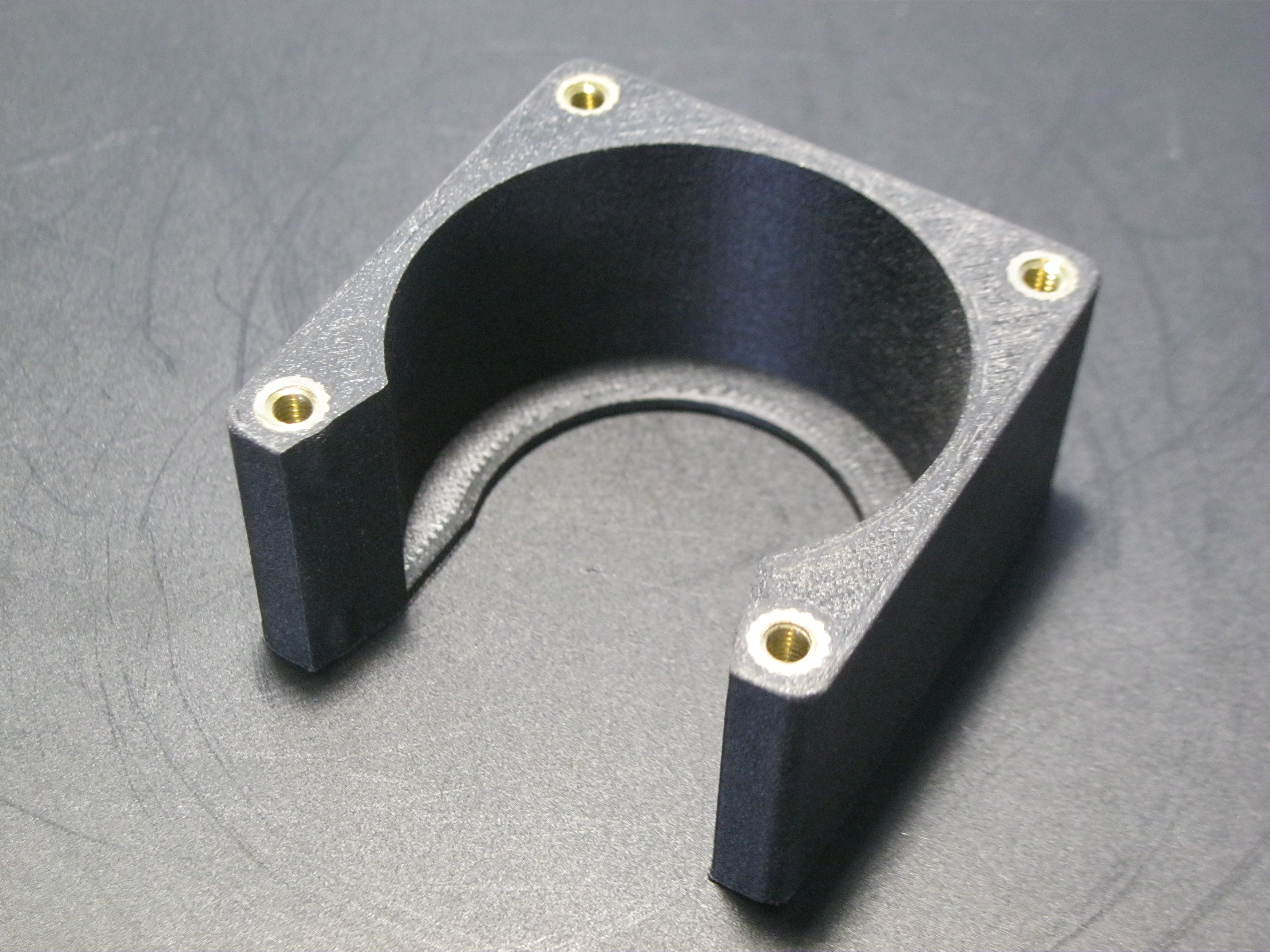
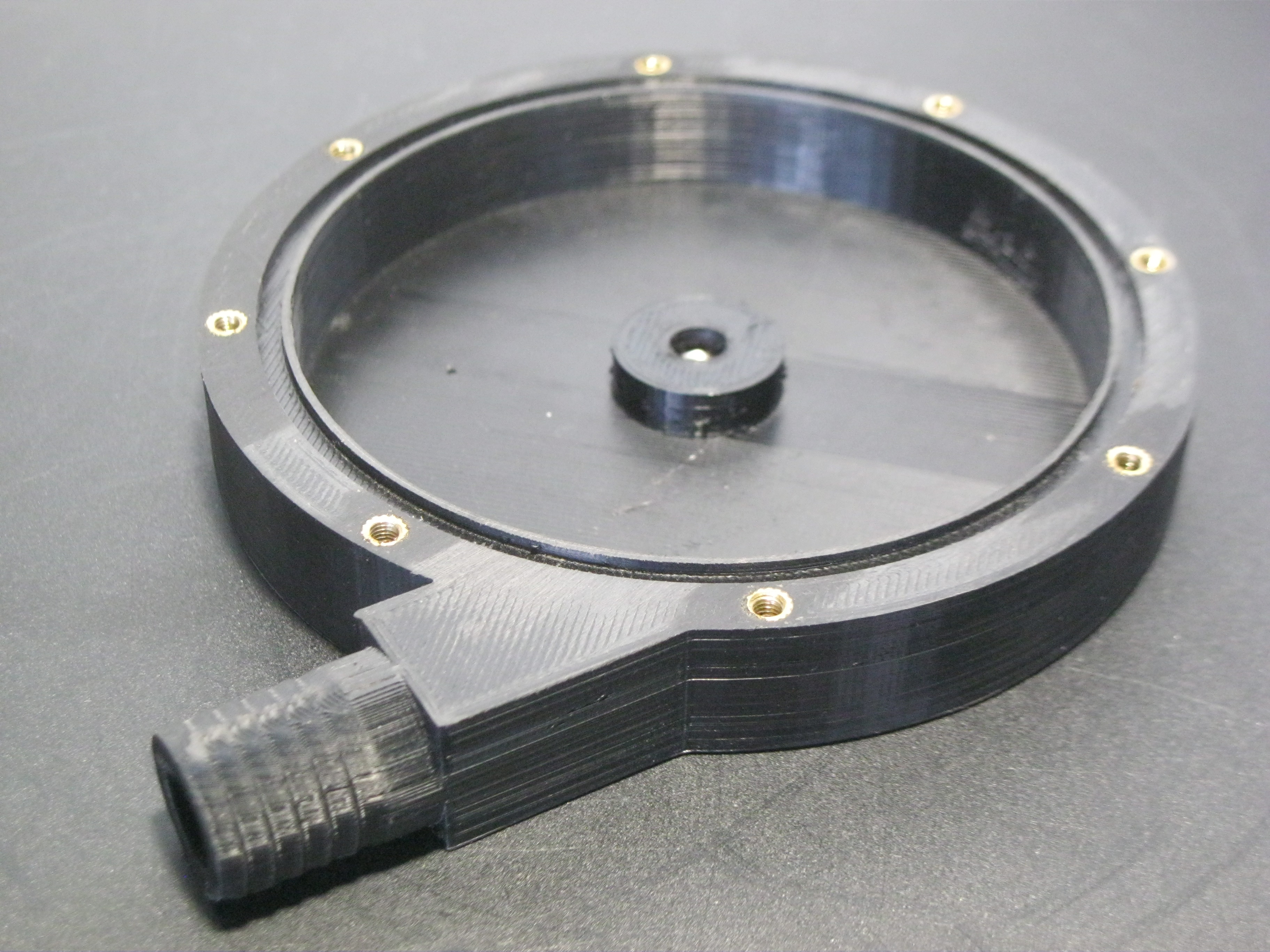
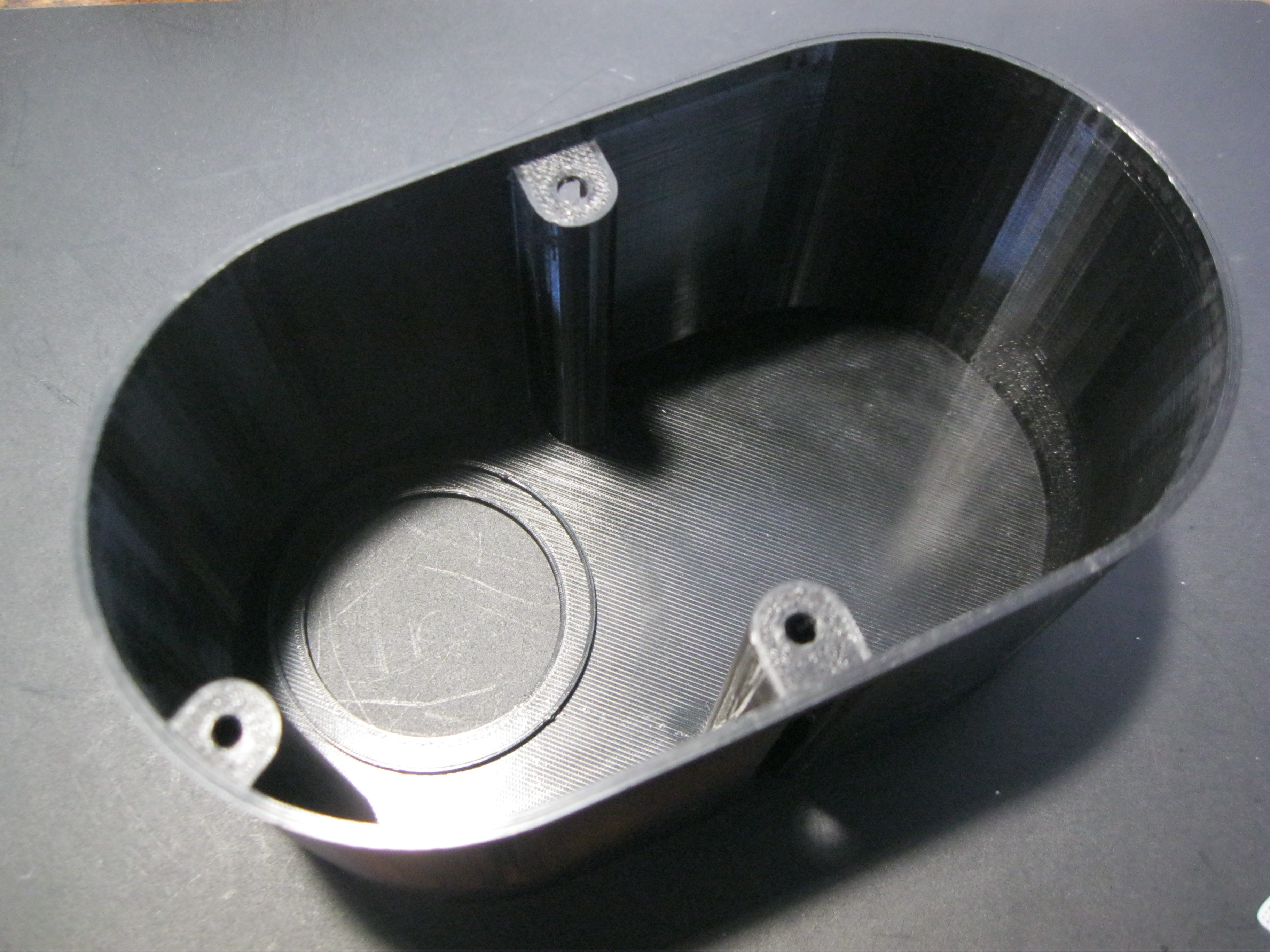
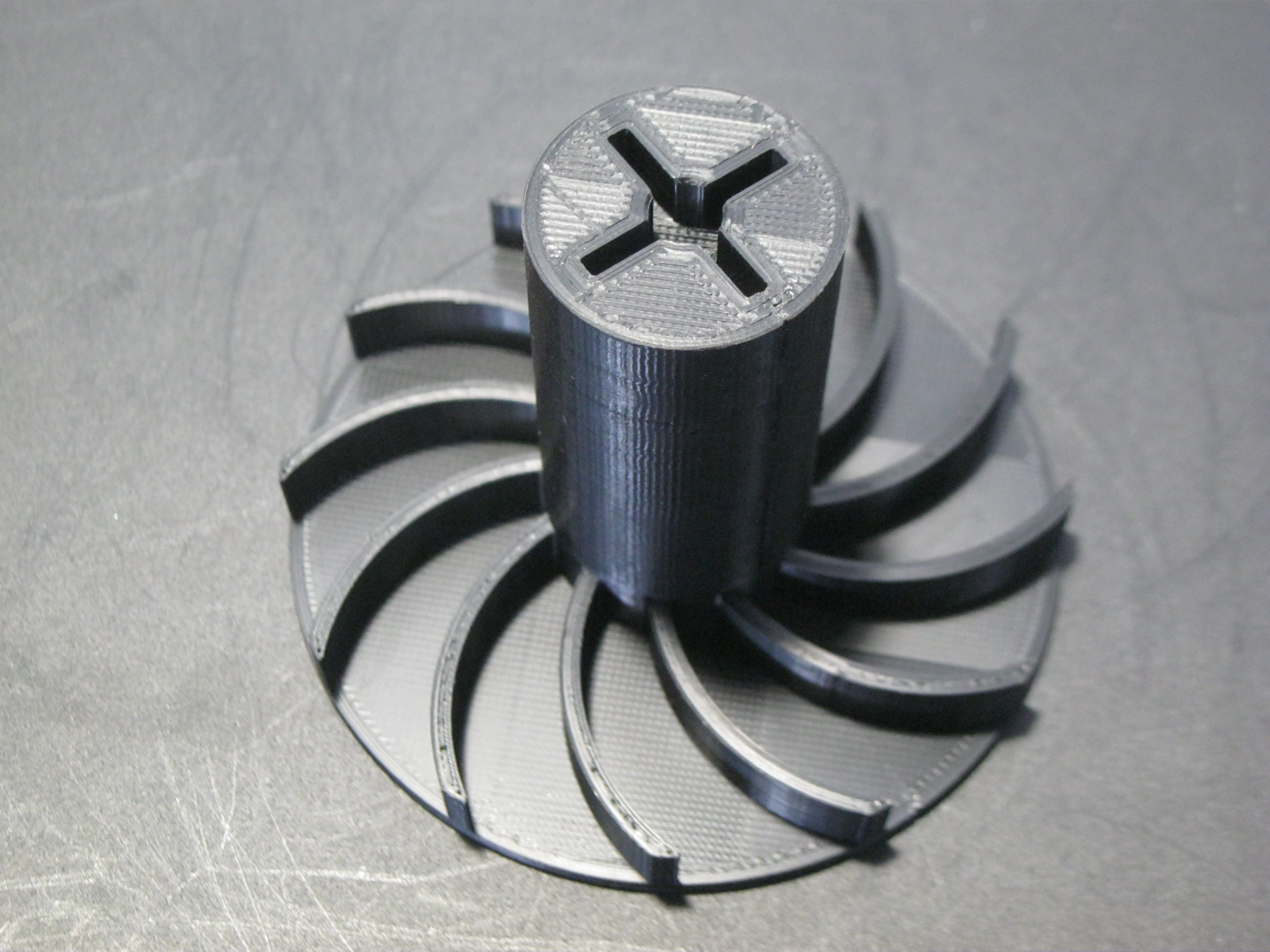
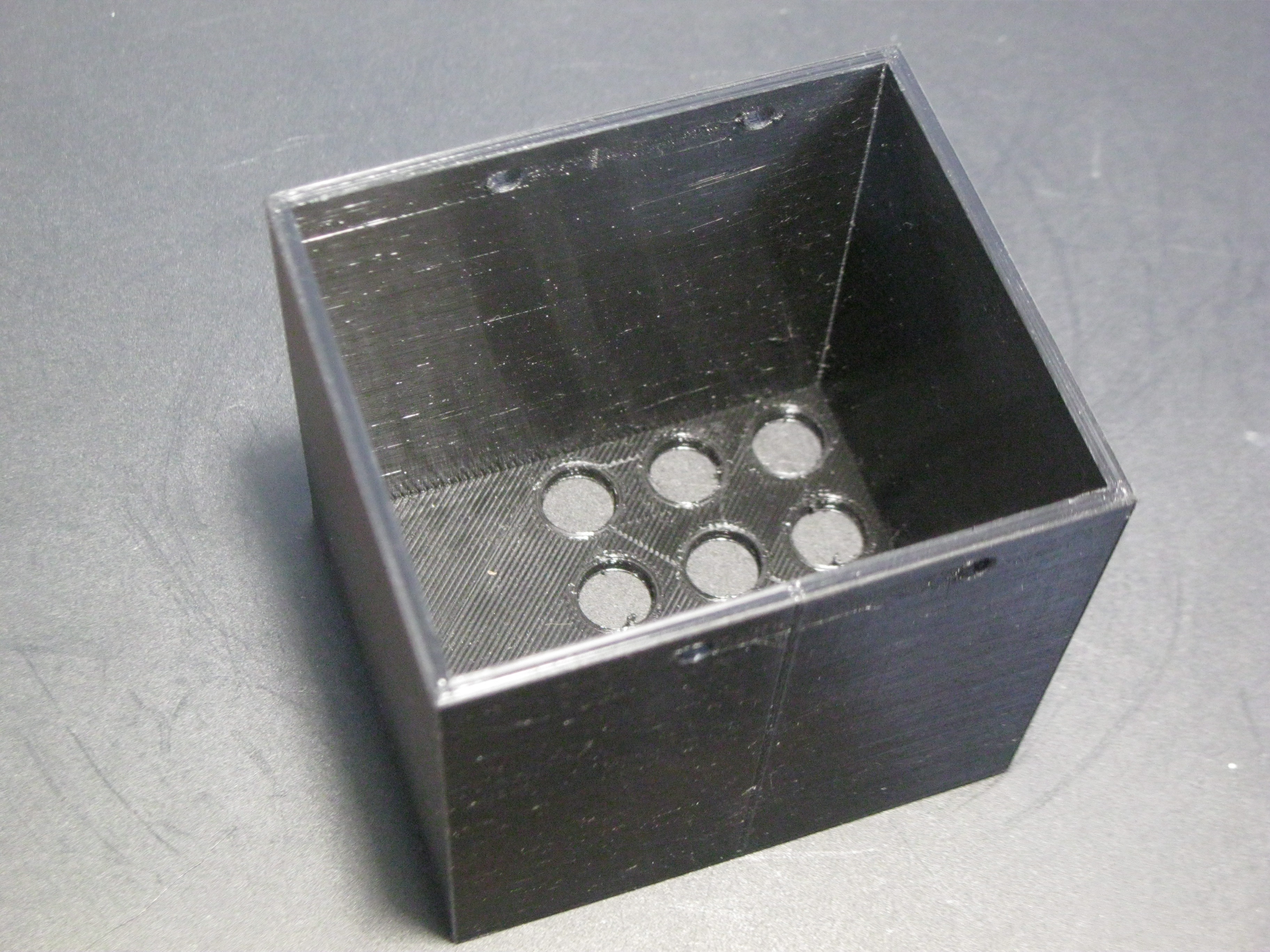
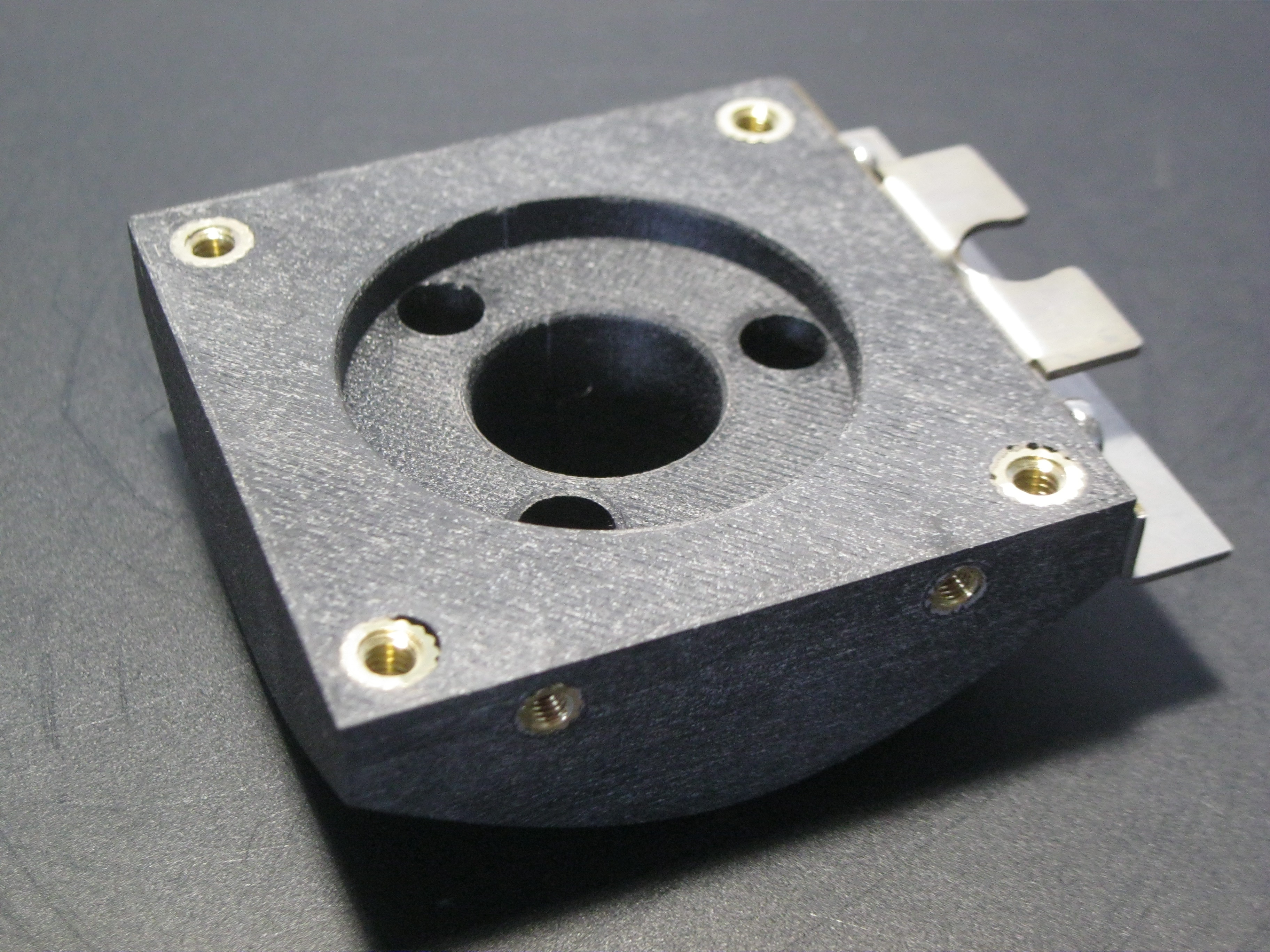
Example projects:
Materials used in FDM 3D printing:
PLA: The most popular plastic used in 3D printing. Commonly used for prototyping, educational projects, and product visualization. Key features:
- easy to use
- high surface quality
- high rigidity of printed parts
- no shrinkage after cooling
- not suitable for mechanical post-processing (sanding, drilling, cutting)
ABS: A plastic widely used in industry for manufacturing housings, covers, and components exposed to impact. Recommended for prints requiring higher strength and functionality. Key features:
- high impact resistance and rigidity
- high mechanical strength
- easy post-processing (sanding, drilling, cutting)
- low water absorption
ABS kevlar: A plastic based on ABS with added aramid fibers. Recommended for prints requiring greater strength than standard ABS. Key features:
- high impact resistance and rigidity
- high mechanical strength
- easy post-processing (sanding, drilling, cutting)
- very strong layer adhesion
PETG: A filament combining the advantages of ABS and PLA – easy to print, yet flexible and durable. Recommended for functional parts, tools, prototypes, and technical components. Key features:
- easy to use
- high surface quality
- high impact resistance and rigidity while maintaining dimensional accuracy
- high mechanical strength
- easy post-processing (sanding, drilling, cutting)
TPU: A flexible filament used for protective parts and shock-absorbing components. Available in different Shore hardness levels, allowing you to choose the desired flexibility.